- en

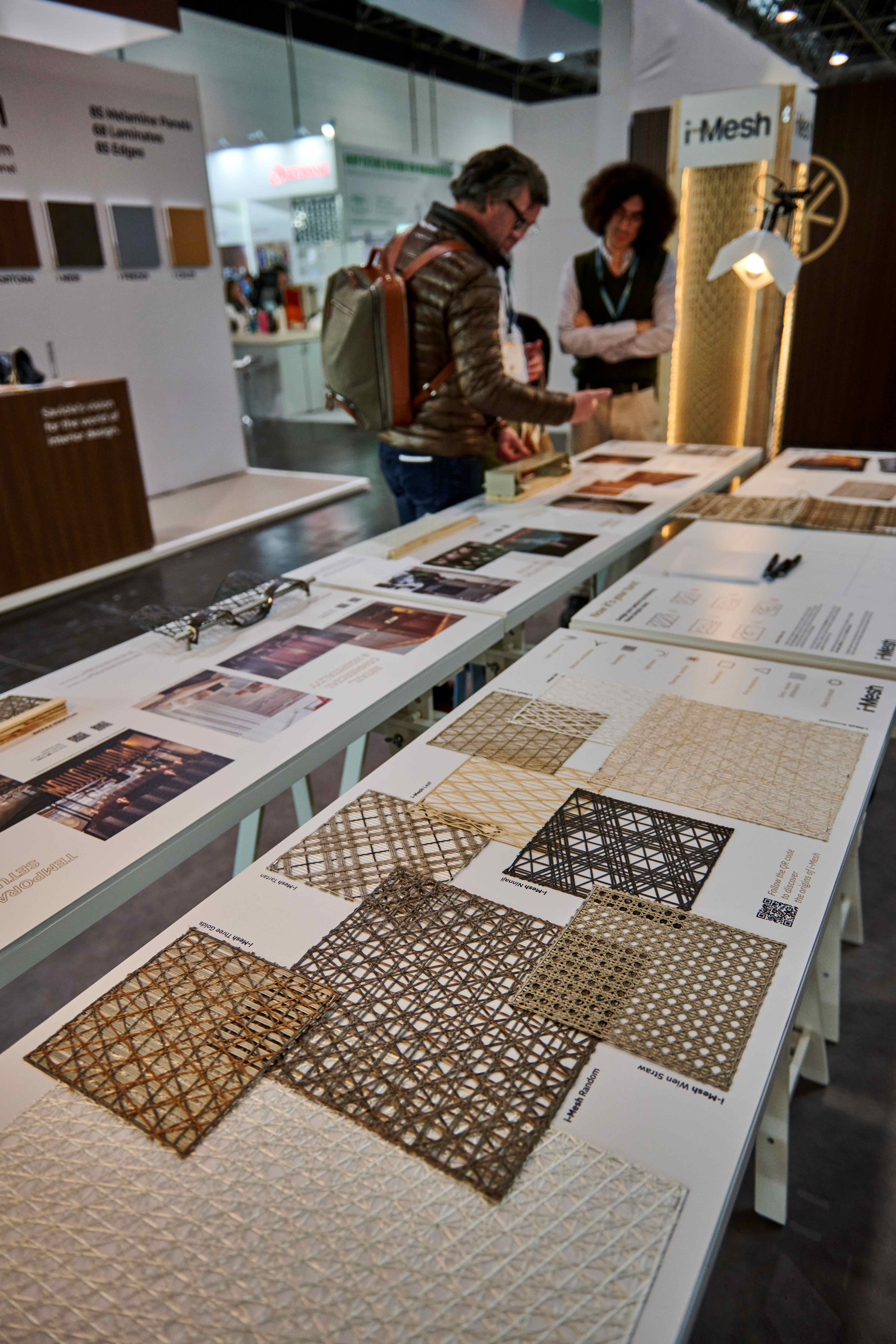
The design of the i-Mesh stand at EuroShop 2026 begins with a clear question: Is it possible to create an exhibition space that is simultaneously recognizable, elegant, and sustainable?
The answer lies in subtraction rather than accumulation. In balance rather than mass.
In exhibition contexts where competition for attention often results in closed, oversized, and single-use structures, the i-Mesh stand at EuroShop takes a deliberate, conscious approach.
Transparency replaces barriers. Relationship replaces isolation.
The result is a light, open, and measured exhibition architecture capable of generating experience without imposing presence.
The choice of an island configuration for the i-Mesh stand at EuroShop carries meaning beyond formal composition, becoming a design statement.
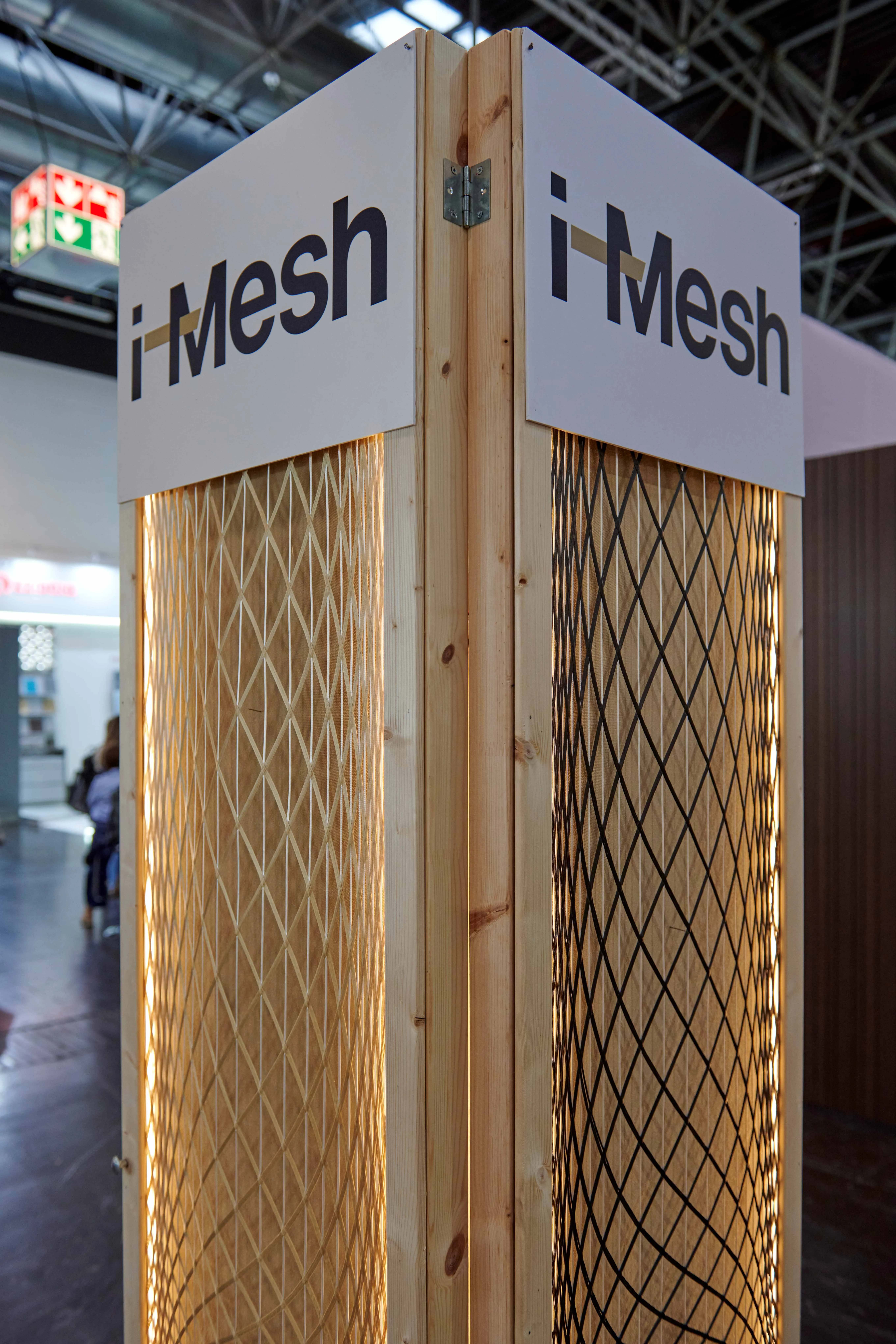
Full accessibility from all sides, 360-degree visual continuity, and openness toward the exhibition environment allow visitors to move through a space rather than enter a container.
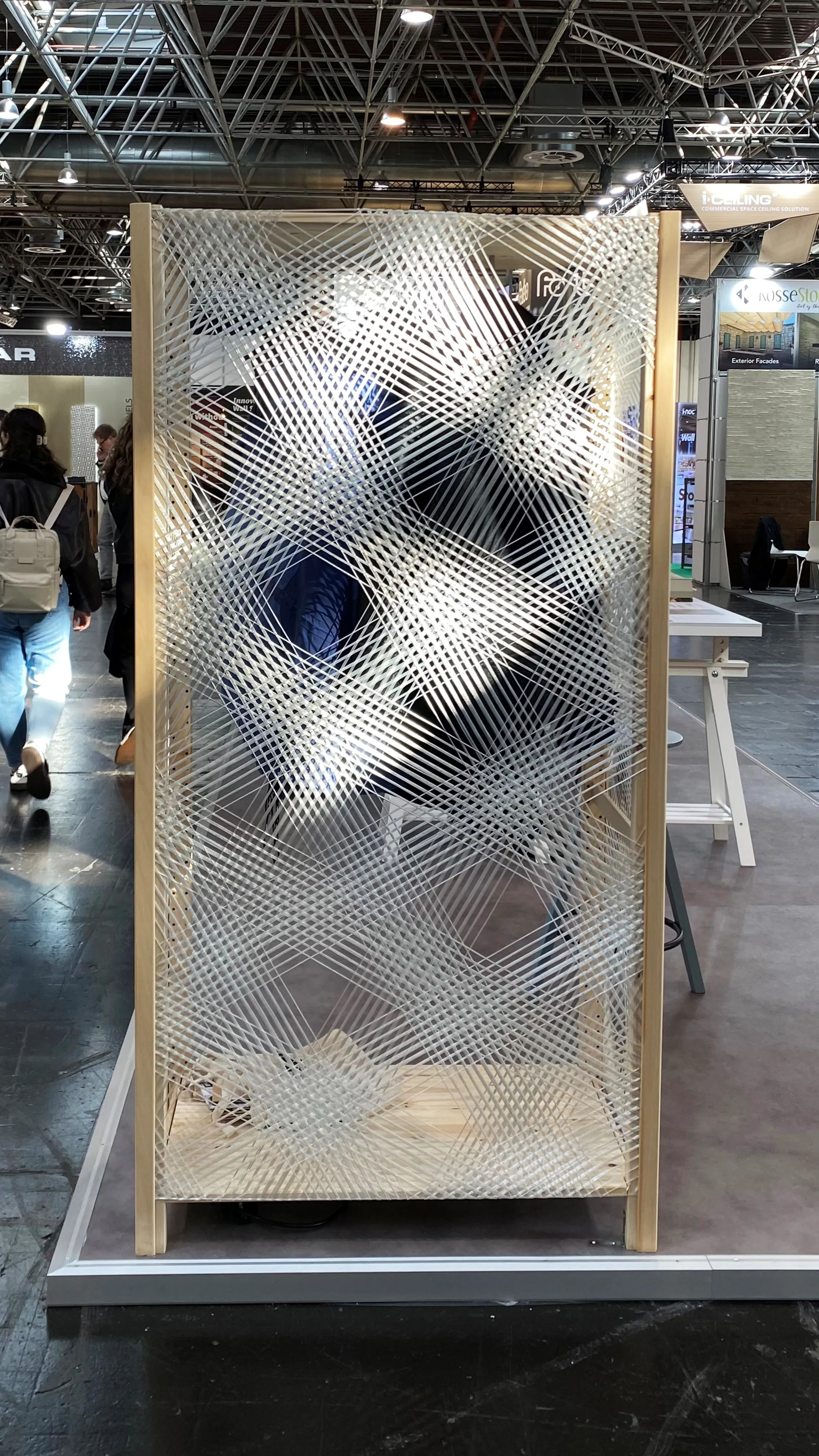
The structural modularity of the elements and the characteristic tension of the i-Mesh textile create a presence that is both solid and visually permeable.
Structure and lightness coexist within a system in which each component serves a precise technical function and a clearly defined aesthetic value.
Within the context of EuroShop, this configuration demonstrated how a technical textile material can generate architecture.
Within the logic of zero-waste design, the material directly participates in shaping the space.
The i-Mesh material does not act as a simple applied covering; it becomes the language of the project itself, integrating technical performance, visual identity, and architectural expression.
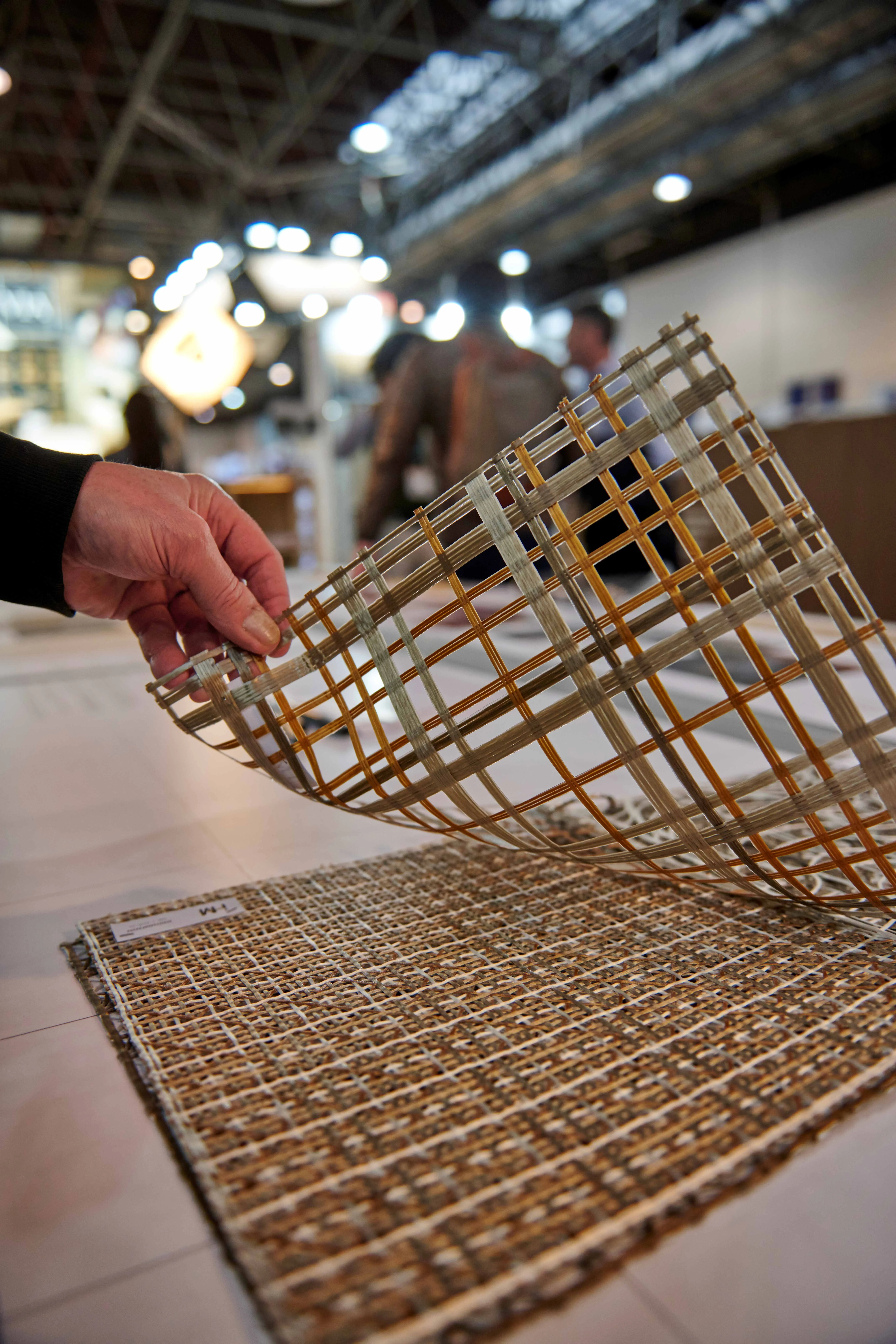
The fabric’s weave, fiber tension, and controlled transparency generate architectural surfaces that interact with the surrounding environment and the flow of visitors at EuroShop.
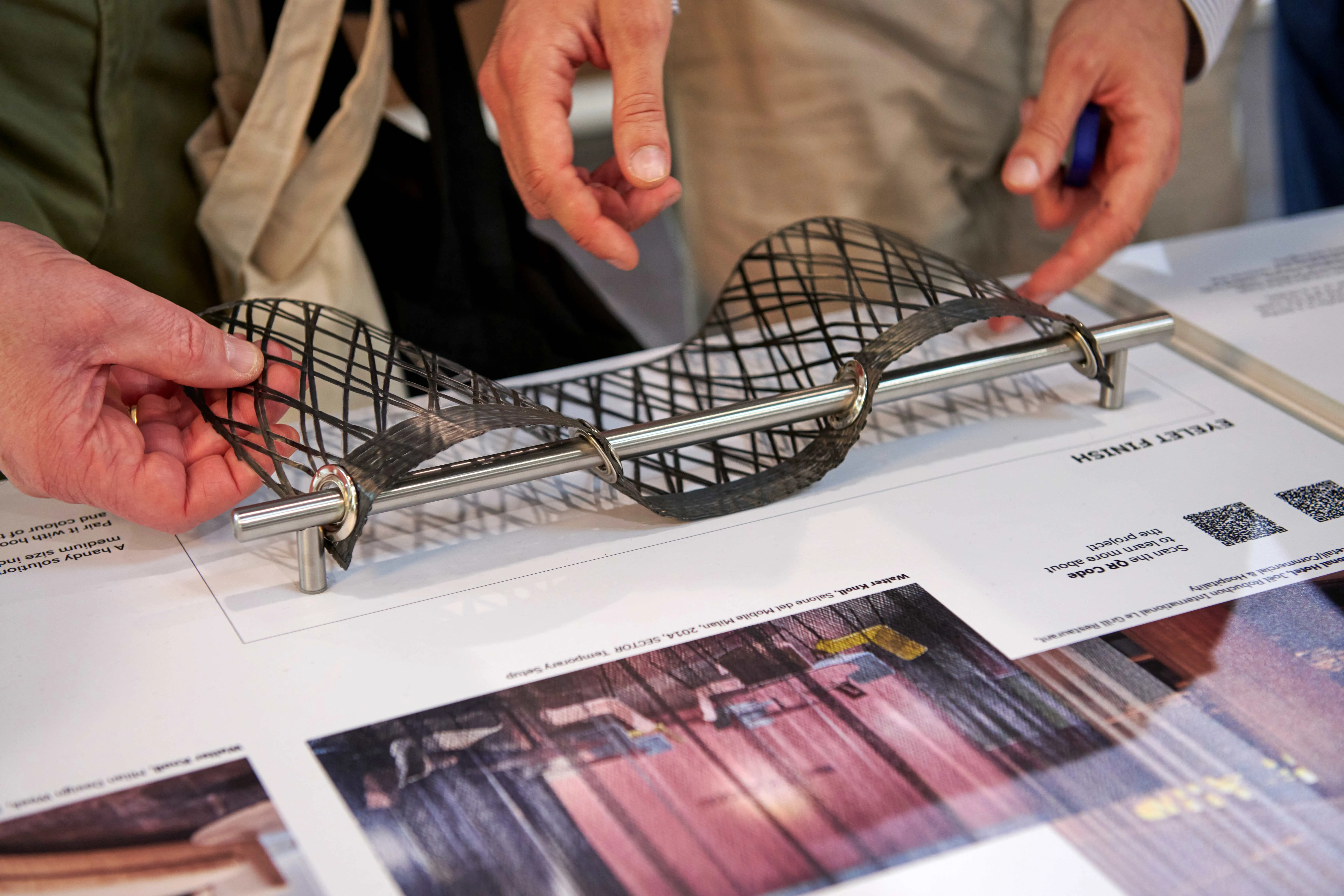
Touching the material allowed participants to perceive its resistance, tension, and texture, transforming visitors from passive observers into active participants in the exhibition space.
Within the context of EuroShop, where an immersive experience guides the relationship among brands, architects, and designers, the material's physical presence becomes a significant design element.
Interaction with the i-Mesh textile reinforced the dimension of zero-waste design, where material, space, and experience shape a coherent architectural narrative.
At the center of the EuroShop stand concept lies a methodological choice that extends beyond aesthetics: designing with durability in mind.
The zero-waste philosophy, which guides the entire installation, goes beyond reducing material waste and redefines the lifecycle of the project as a whole.
All elements are designed to be quickly dismantled, easily transported, reused, and reassembled without generating waste.
Even the packaging is integrated into the system rather than treated as an inevitable leftover.
In an exhibition landscape where structures are often designed to last only for the duration of a trade fair and then discarded, this stand proposes a culturally and environmentally contemporary alternative: a reusable, adaptable exhibition space made possible by timeless design and the quality of its materials.
Sustainability here is not a communication argument or a marketing add-on, but an intrinsic architectural quality embedded in the project's logic.
The i-Mesh project for EuroShop expresses a design vision based on precision, essentiality, and formal coherence.
The stand configuration embodies the principles of zero-waste design, where structural lightness, material efficiency, and spatial quality form a single architectural language.
The design research focuses on balance and proportion. Structure, surface, and transparency shape a space that interacts with the exhibition context of EuroShop, emphasizing the relationship between architecture, material, and perception.
“Responsible Lightness” beyond being the title of the project, represents its guiding principle.
This approach interprets the exhibition stand as a conscious system: formally coherent, technically advanced, and culturally relevant.
Within the context of EuroShop, this vision reflects the deeper meaning of zero-waste design: an approach that enhances what remains essential, shaping spaces through precision, lightness, and material quality.
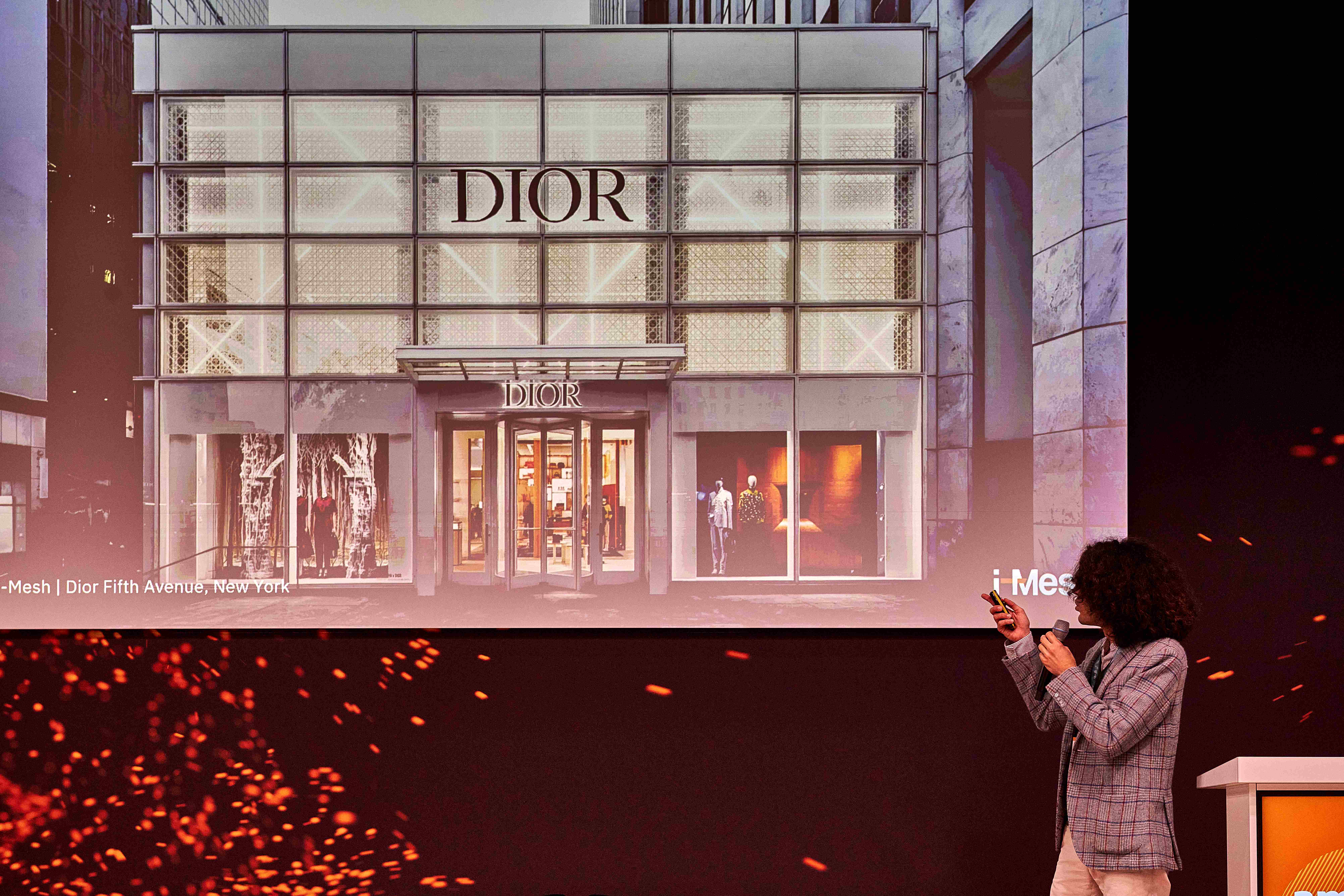
The “Responsible Lightness” project by i-Mesh received significant international recognition during the exhibition.
The stand was selected by AIT-Dialog trend scouting and received a mention in the final ranking.
This recognition highlights the coherence of the design approach and the focus on material innovation, textile architecture, and zero-waste design, elements that define i-Mesh’s research within the contemporary landscape of architecture for events and exhibition spaces.
Within the broader context of EuroShop, the project placed material sustainability and resource efficiency at its core.
This direction demonstrates how zero-waste design has become one of the main criteria for evaluating excellence in exhibition architecture.
Within this perspective, the i-Mesh stand at EuroShop presented an architectural vision that combines textile innovation, structural lightness, and sustainable design, contributing to the definition of new standards for contemporary exhibition environments.

_rid.webp)