- en

In recent years, architectural discourse has rediscovered a concept that goes beyond the traditional notion of craftsmanship: craft. Far from being a nostalgic return to traditional techniques or a reaction against technological innovation, architecture with craft describes an approach in which design, materials and construction evolve together, recognizing the value of skills, processes and the knowledge embedded in materials and making.
From this perspective, the act of building is not simply the final stage of a project, but an integral part of the architectural work itself. The quality of architecture emerges through a continuous dialogue between designers, materials, construction techniques and craftsmanship, creating spaces that express not only an aesthetic vision, but also the process through which they came into being.
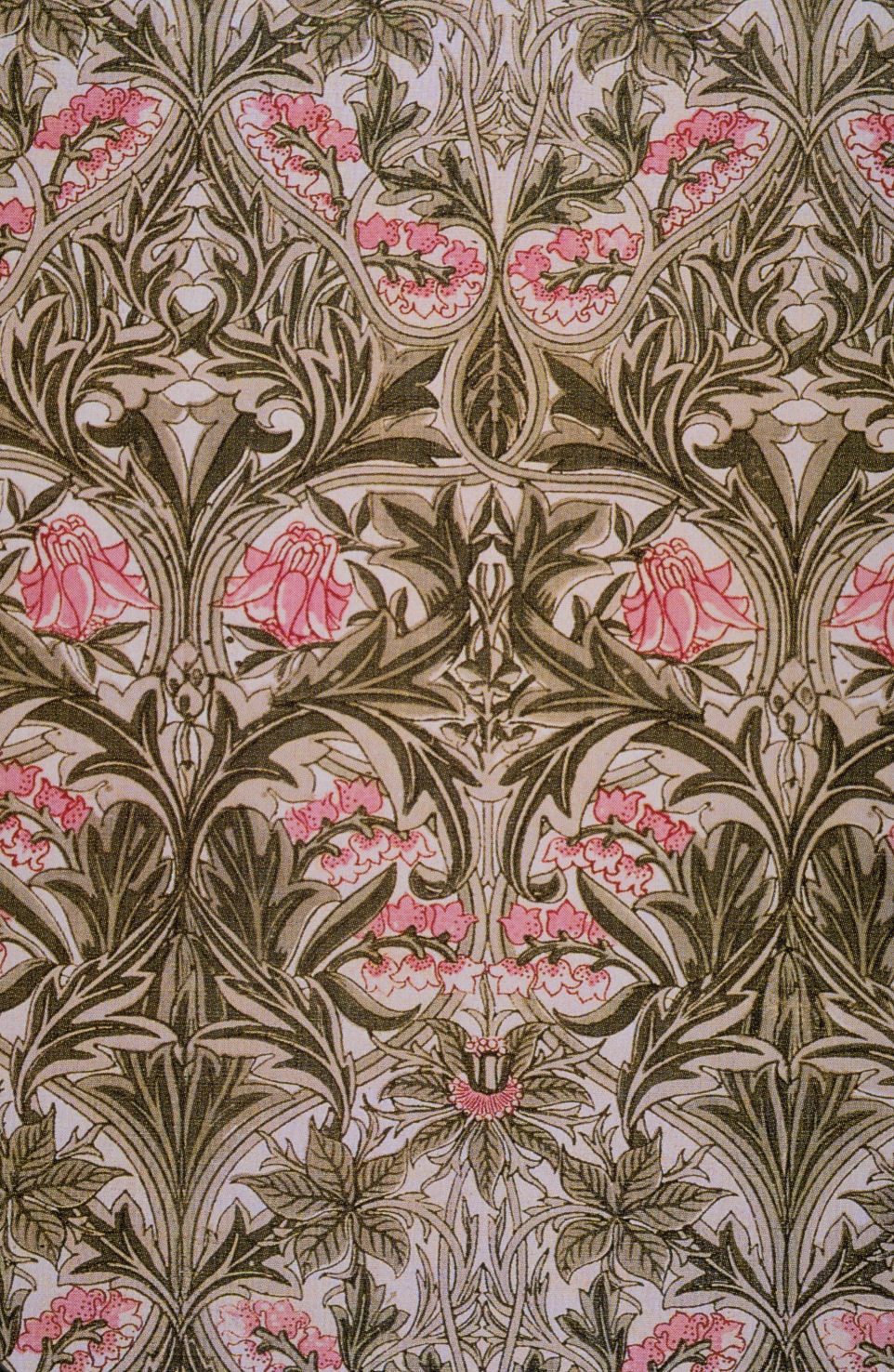
The roots of this approach can be traced back to the Arts & Crafts Movement of the late nineteenth century. William Morris criticized industrial production for its inability to preserve quality, identity and meaning in both objects and architecture. According to Morris, design could never be separated from making: the value of a work depended on the relationship between drawing, materials and human craftsmanship.
Today, in a profoundly different context, that vision feels remarkably relevant once again. Automation and digital technologies have not diminished the importance of craftsmanship; rather, they have redefined its role. Advanced manufacturing enables unprecedented levels of precision and customization, yet it is still human expertise that transforms materials into meaningful architectural experiences.
This close relationship between design and construction finds one of its deepest expressions in the Japanese concept of monozukuri. Literally translated as "the making of things," the term encompasses far more than manufacturing alone.
Monozukuri represents a cultural approach in which technical precision, material knowledge, attention to details and responsibility toward the production process form a single system of values. Every stage of making contributes to the quality of the final work, and craftsmanship itself becomes a form of design knowledge.
This philosophy continues to shape contemporary Japanese architecture and design, where technological innovation and tradition are not seen as opposites, but as complementary aspects of the same creative language.

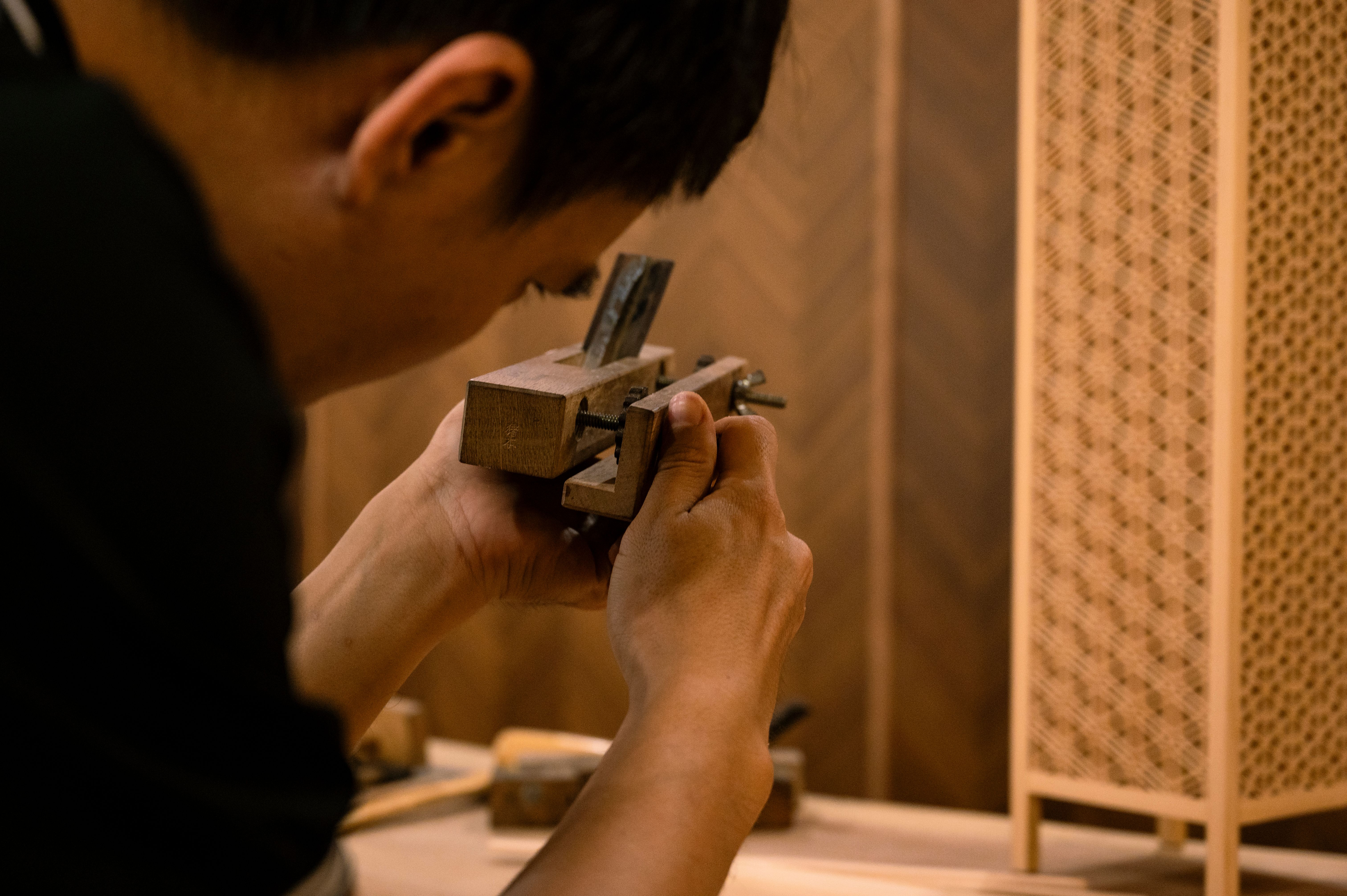
A significant example of this continuity between tradition, craftsmanship and innovation is Fuku-Ori, a project developed by Kengo Kuma in collaboration with i-Mesh. The work draws inspiration from Kumiko, the traditional Japanese technique of crafting and assembling wood, reinterpreting its underlying logic through the texture and lightness of i-Mesh.
In Fuku-Ori, the pattern is not simply a decorative element. The mesh density gradually changes, moving from a denser structure to an increasingly open and lightweight configuration. The design thus becomes a tool for modulating light, transparency and the perception of space. Tradition is not reproduced but translated: the principle underlying Kumiko is transferred into a new material and a new production process.
It is precisely through this transformation that craft takes on a contemporary meaning. Traditional knowledge is not preserved as a formal repertoire but becomes a starting point for experimentation. Precision, material knowledge and manufacturing expertise come together in a process in which the design takes shape through making. Fuku-Ori shows how technology can become a means of keeping the relationship between culture, material and construction alive.
Finnish architect Juhani Pallasmaa has long argued that architecture is never an exclusively visual experience. In The Eyes of the Skin, he describes space as something perceived through the entire body: the texture of materials, the temperature of surfaces, weight, light and tactile qualities all contribute to the way we experience architecture.
Seen from this perspective, craft takes on an even deeper meaning. Craftsmanship is not merely about construction details, but about a material's ability to establish a sensory relationship with those who inhabit a space. Surfaces become instruments of perception, capable of shaping light, transparency, depth and comfort.
Among contemporary architects, Peter Zumthor stands as one of the clearest examples of architecture with craft. His buildings are not conceived as iconic images, but emerge from an ongoing dialogue with materials, construction techniques and the skilled craftspeople involved in their realization.
Projects such as the Therme Vals in Switzerland demonstrate how stone can become a sensory experience through rigorous construction and a profound understanding of materiality. In the Bruder Klaus Field Chapel, built in the countryside near Mechernich, the construction process itself becomes part of the architecture: a structure of tree trunks used as formwork was burned away once the concrete had cured, leaving behind the charred imprint of the wood within the walls. Likewise, the Kolumba Museum in Cologne embodies this attention to making, integrating the ruins of a medieval church into a new masonry structure carefully designed to engage with the site's historical memory, where every construction detail contributes to the atmosphere of the space.
Across all these works, the value of architecture lies not only in its final form, but in the process that makes it possible. Materials, light, texture and construction expertise are orchestrated with extraordinary precision, transforming design into a deeply sensory experience. It is this continuity between design thinking and making that makes Zumthor's work one of the most compelling contemporary expressions of architecture with craft.


Today, speaking about craft means recognizing that architectural quality emerges through collaboration across disciplines. Architects, engineers, craftspeople, manufacturers and producers all contribute to a design process in which every form of expertise adds value.
It is no coincidence that many of today's most remarkable architectural works are the result of highly collaborative processes, where innovative materials and specialized manufacturing techniques make it possible to transform complex ideas into built reality.
Within this context, craftsmanship takes on a broader meaning. It is no longer simply a production method, but a design culture rooted in knowledge, attention to detail and the ability to transform technique into spatial quality.
Materials, too, can become part of this culture of making. When developed through an ongoing dialogue with architects, designers and manufacturers, they become more than construction components: they become tools capable of interpreting and expressing a design vision.
The Office Marunouchi project in Tokyo illustrates this approach. The with CRAFT concept reinterprets Japanese tradition through a contemporary language, where the Kumiko pattern is transformed into a lightweight, transparent and fully customized architectural surface.
Within this process, i-Mesh is more than an innovative material. It acts as a connection between design culture, technological research and manufacturing expertise, making it possible to translate an idea into a built surface while preserving the dialogue between design, material and knowledge that lies at the heart of Architecture with Craft.
From traditional craftsmanship to contemporary research, the value of making continues to be an essential part of architecture. i-Mesh brings this culture into the present, transforming the dialogue between design, material and technology into surfaces capable of interpreting every space.
Discover the i-Mesh world and the possibilities of bespoke design.