- en

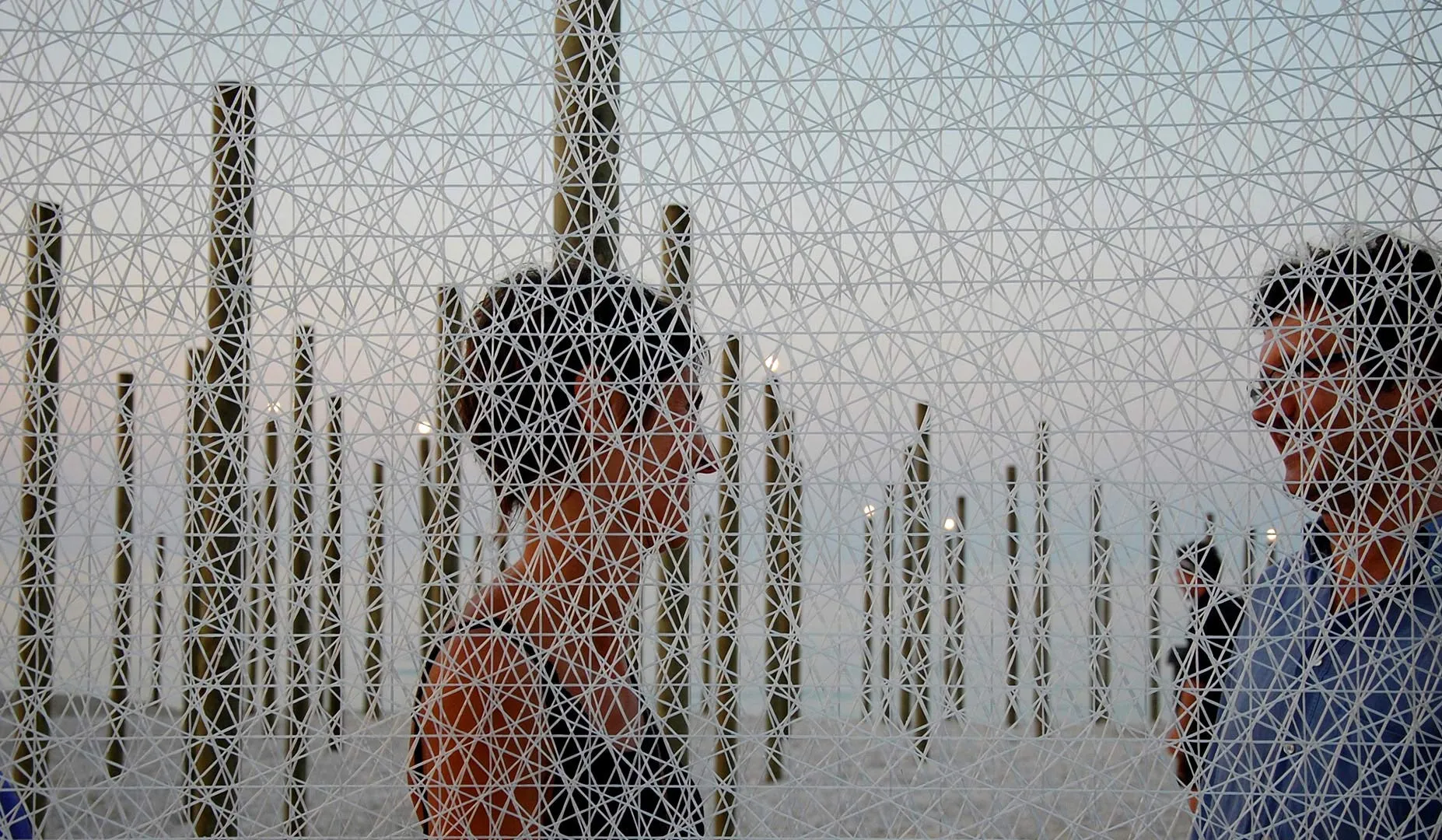
In 2013, on the beach of Marzocca di Senigallia, the event Demanio Marittimo Km-278 transformed the Adriatic coastline for one night into an open-air laboratory dedicated to architecture, art, and landscape. In that suspended moment between sunset and dawn, i-Mesh interpreted its role not only as a technical partner, but also as a protagonist.
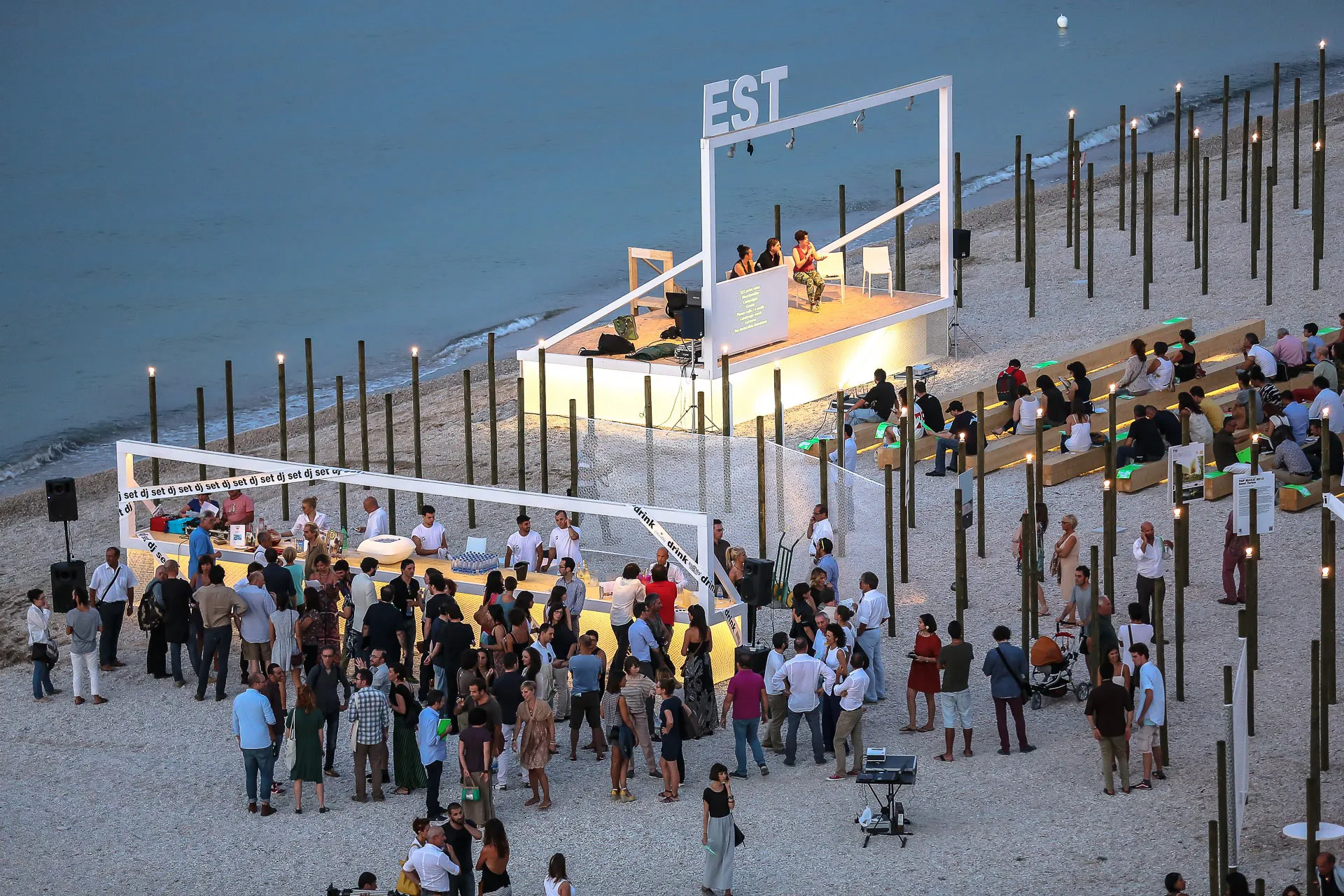
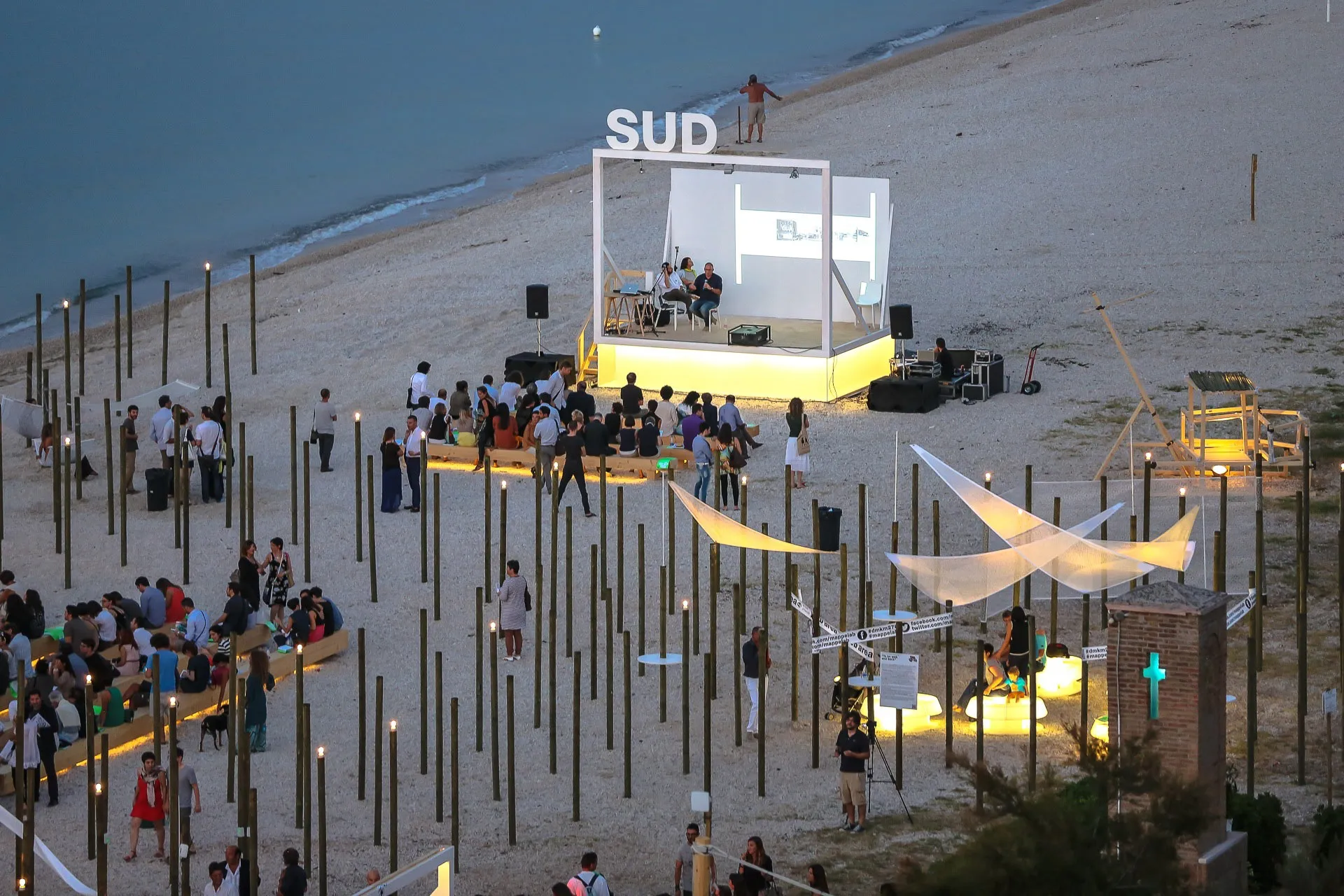
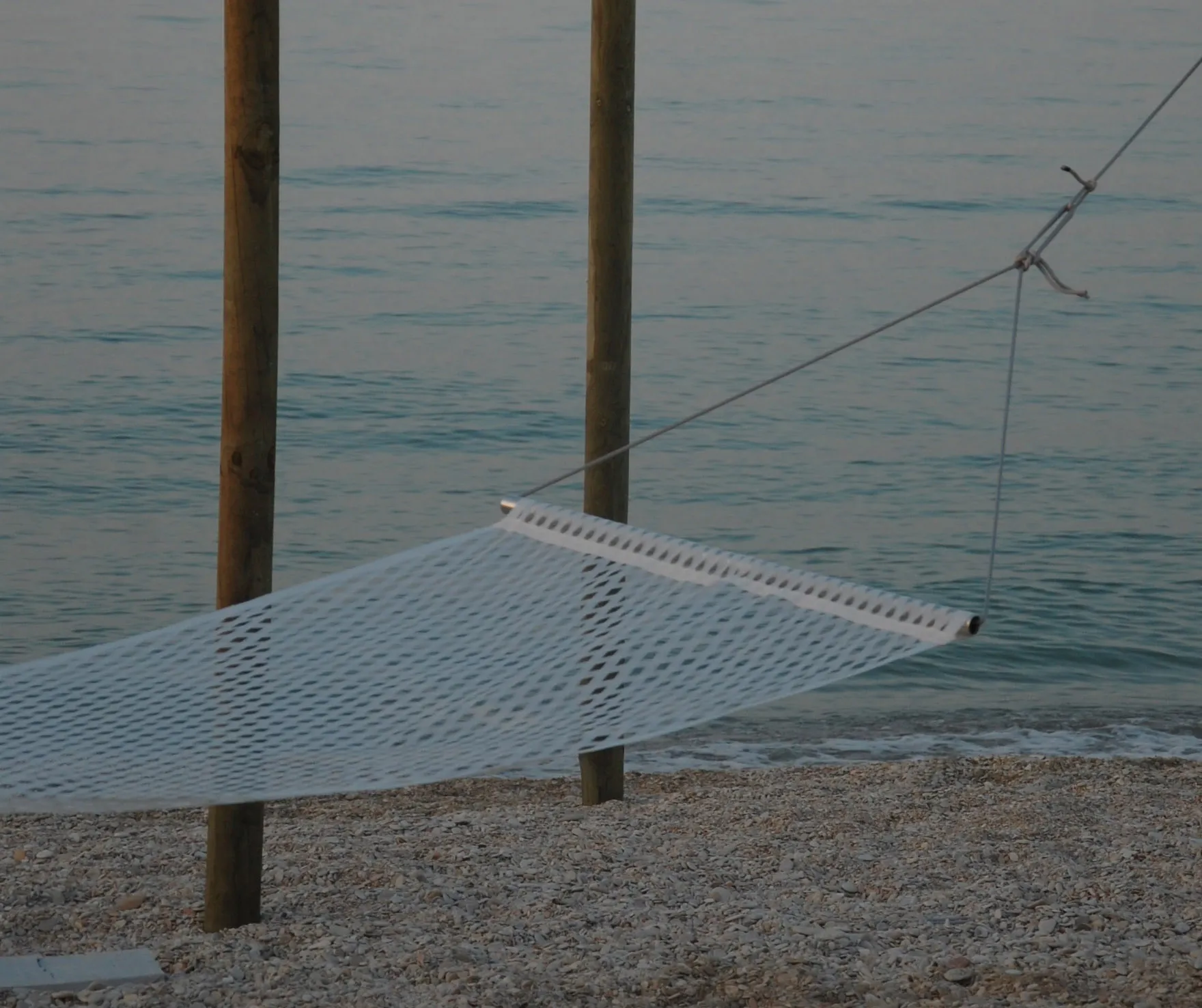
The 2013 edition represented a moment of experimentation in which the beach became cultural infrastructure: an ephemeral yet intensely designed place, animated by talks, installations, screenings, and performances. In this scenario, i-Mesh introduced an innovative installation, demonstrating how shading systems can be much more than functional devices: they can become environmental architecture.
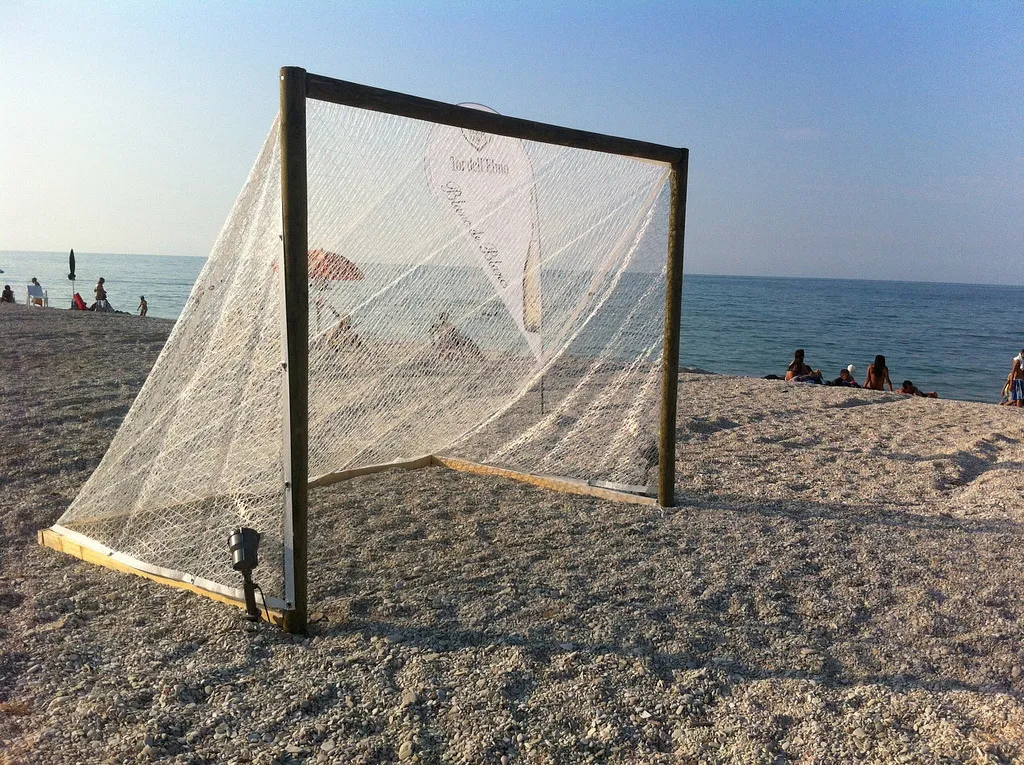
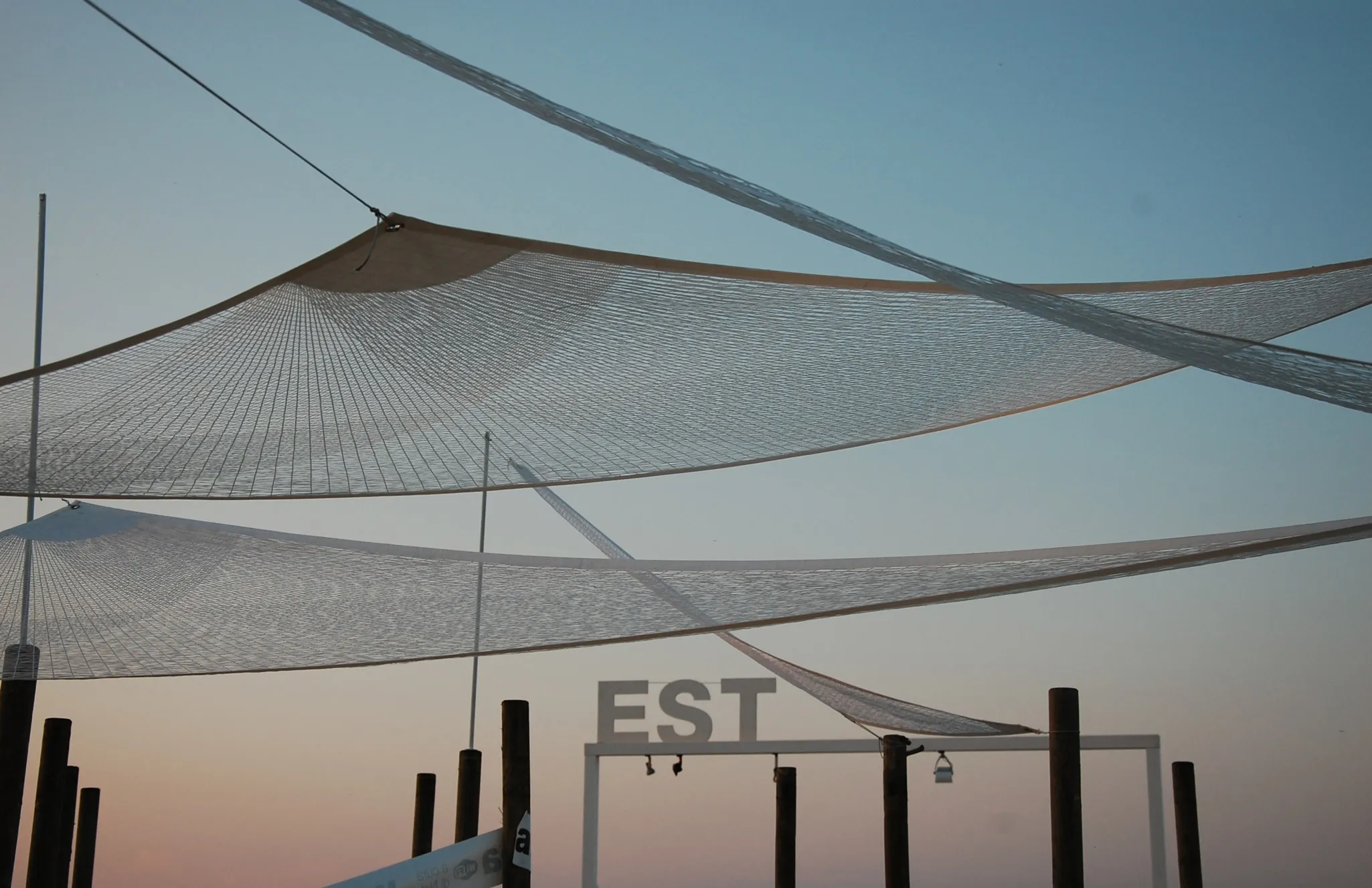
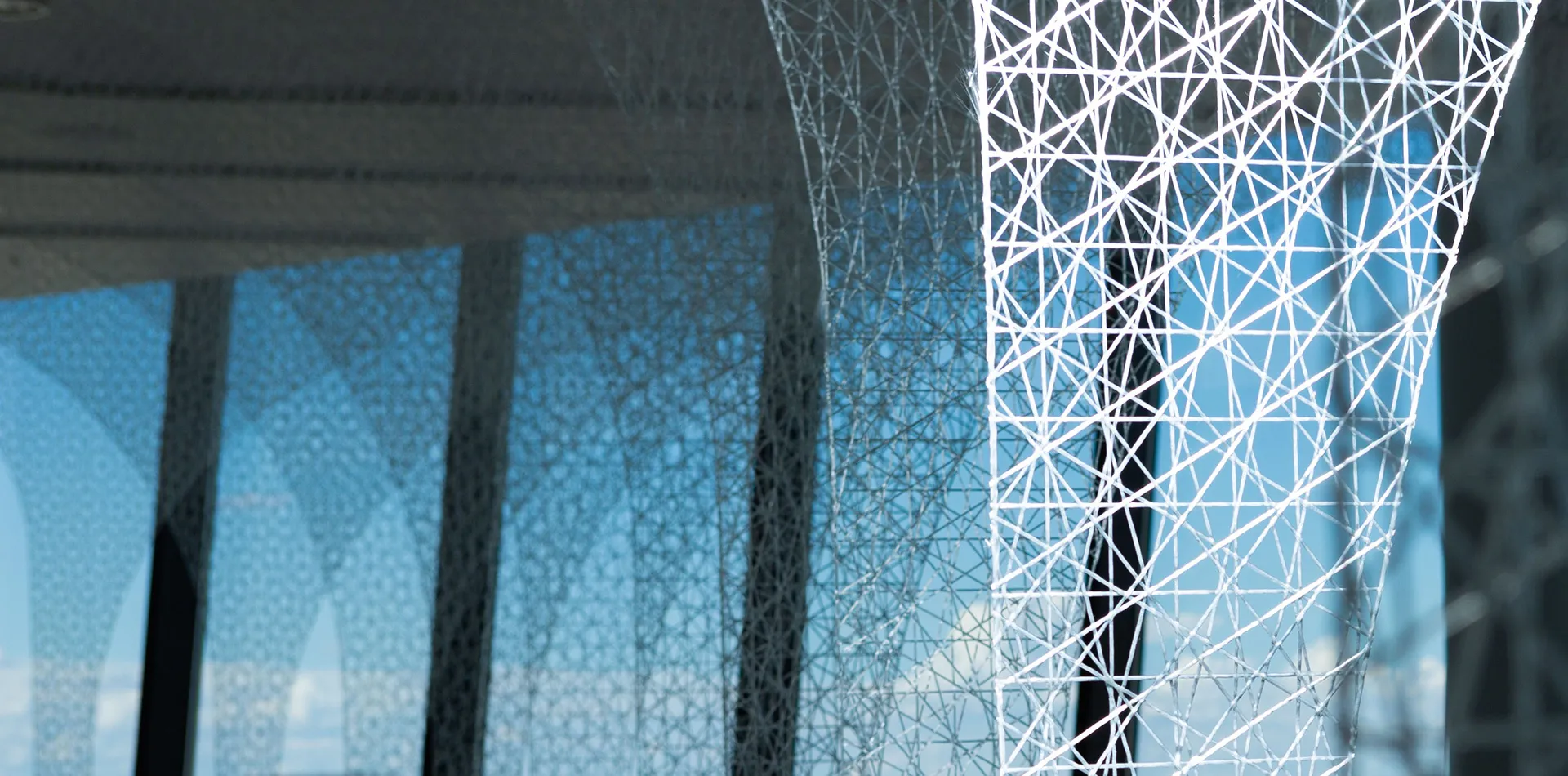
The i-Mesh net, with its structural lightness and calibrated transparency, was used to define spaces, create scenic backdrops, and modulate both natural and artificial light along the shoreline. The brise-soleil systems created for the event did not merely provide screening or filtering functions; they formed a temporary landscape, a texture that organized flows and perspectives without ever enclosing the space. In an open and dynamic setting such as the beach, the modulation of light and wind became an integral part of the experience.
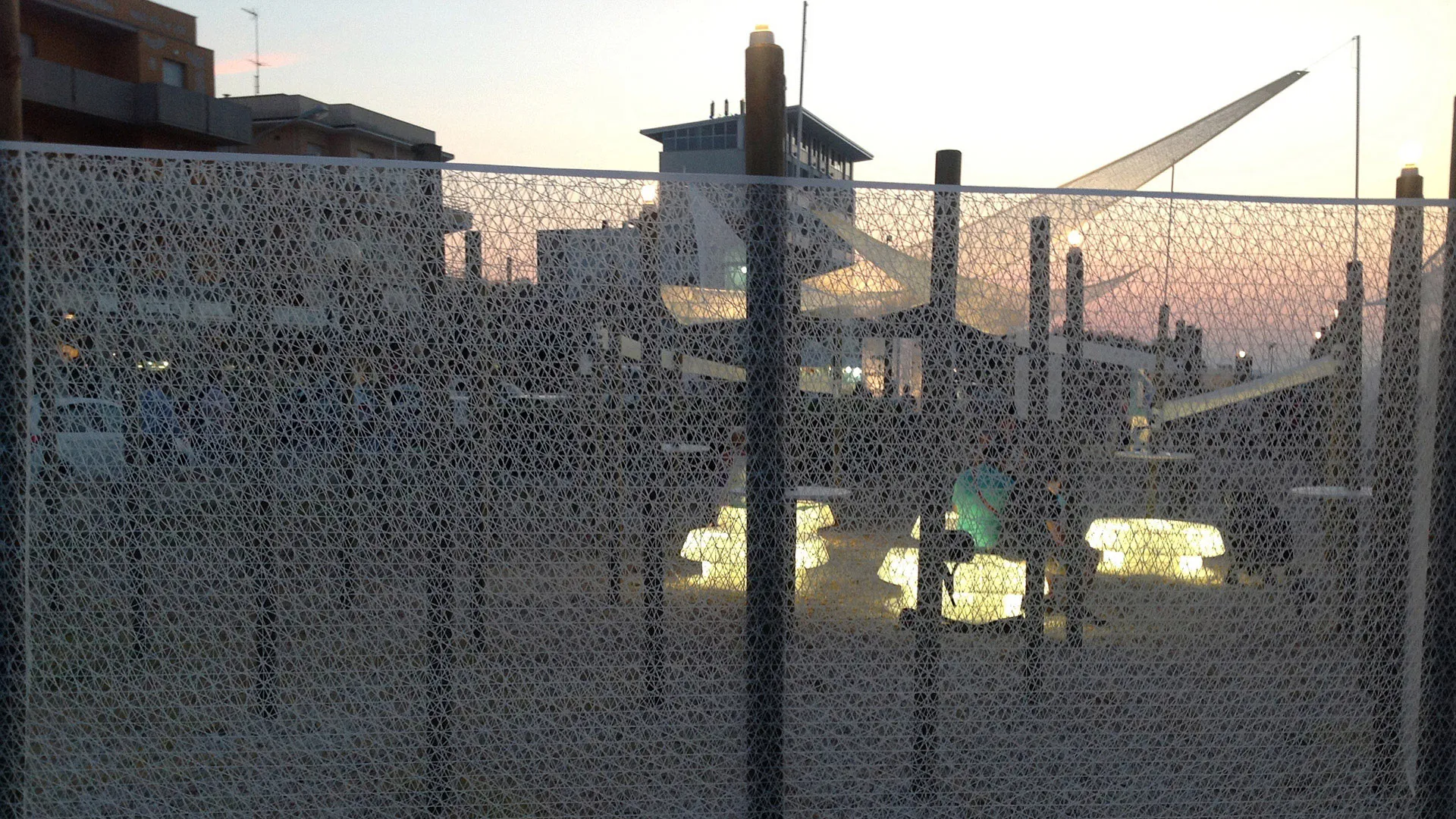
The principle of the shading system, applied in a specific and customized way, demonstrated i-Mesh’s ability to engage with variable environmental conditions. The sea, salt air, the grazing light of sunset, and the artificial lighting of the nighttime installations all found a sensitive filter in the decorative pattern. Reacting to changes in light, the textile surface generated visual vibrations and moving shadows, transforming the installation into a perceptual device.
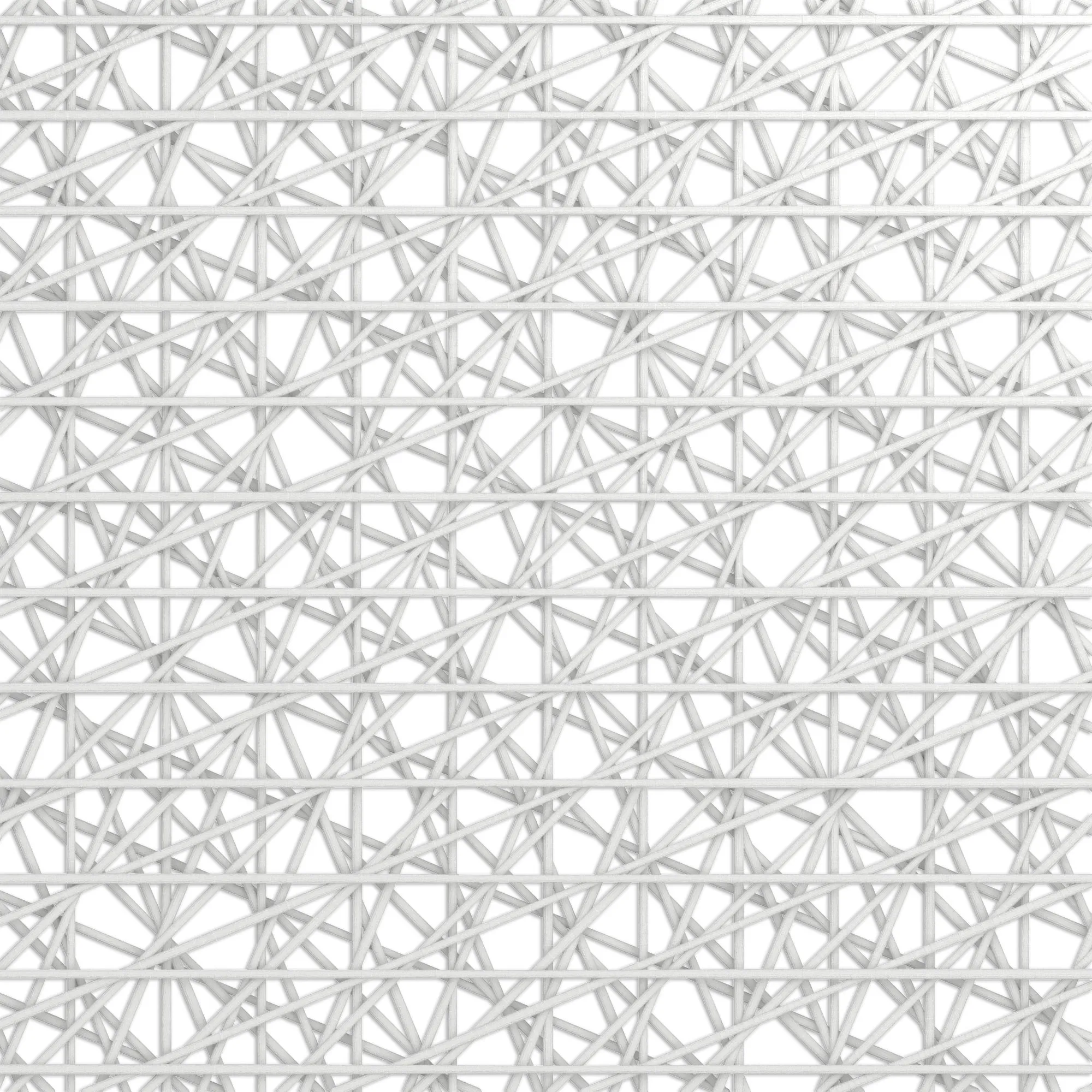
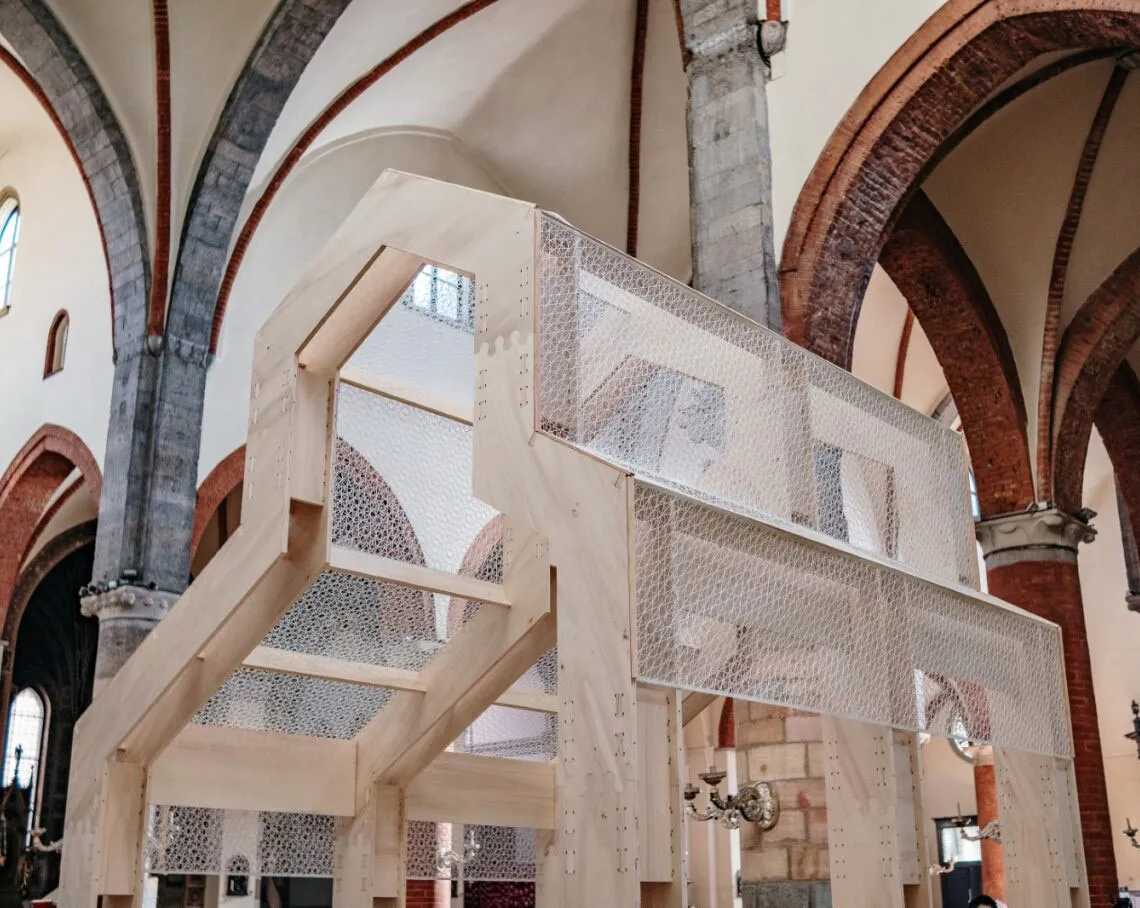
The installed brise-soleil systems also highlighted the aesthetic dimension of technology. Through decorative patterns, the fabric surface became an expressive element: motifs, weaves, and overlaps constructed a visual language consistent with the experimental character of the event. The artificial light projected during the night amplified the mesh texture, transforming the structures into light, almost immaterial scenographies.
Within Demanio Marittimo Km-278, the shading systems took on symbolic value: they represented a new concept of architectural material, capable of protecting without isolating. In the context of a cultural initiative reflecting on the concept of public domain as collective space, the i-Mesh network proposed itself as an inclusive, permeable membrane, able to connect rather than separate. The distinction between interior and exterior, public and semi-public, was determined by variations in density and transparency rather than opaque barriers.
In this sense, i-Mesh’s participation in Demanio Marittimo Km-278 fully fits within the avant-garde field of new materials. The beach at kilometer 278 became a testing ground for textile architecture capable of adapting, bending, and redefining space through minimal yet incisive interventions. The flexibility of the material made it possible to create temporary installations that were easy to assemble and dismantle, consistent with the ephemeral nature of the event and respectful of the environmental context.
The dialogue between technology and landscape was one of the central themes of this edition. Integrated into the overall setup, i-Mesh shading systems demonstrated how a solar shading system can contribute not only to comfort but also to the construction of visual identity. Suspended between sky and sand, the i-Mesh fabric intercepted the sea breeze and returned a dynamic perception of space, emphasizing the sensory dimension of architecture.
The choice to adopt lightweight and adaptable solutions further reinforced a message already implicit in the event: to impact the natural environment as little as possible. In a fragile coastal context, the use of brise-soleil systems and low-impact textile components represented a concrete example of how design can be temporary without being invasive. The reversibility of the intervention, typical of textile architecture, proved to be an added value.
Years later, i-Mesh’s participation in the 2013 edition of Demanio Marittimo Km-278 remains a significant milestone in the company’s journey, not only for the visibility of the event, but for the opportunity to experiment, within an open and cultural context, with the potential of its solar shading systems, which, together with decorative mesh solutions, have demonstrated how technical innovation and aesthetic research can converge into a single design framework.
On that beach, for one night, the i-Mesh fabric became architecture, stage, and infrastructure. A light yet precise gesture, capable of expressing a vision: that of a textile architecture that does not merely cover or shield, but interprets light, builds relationships, and shapes new ways of inhabiting public space.